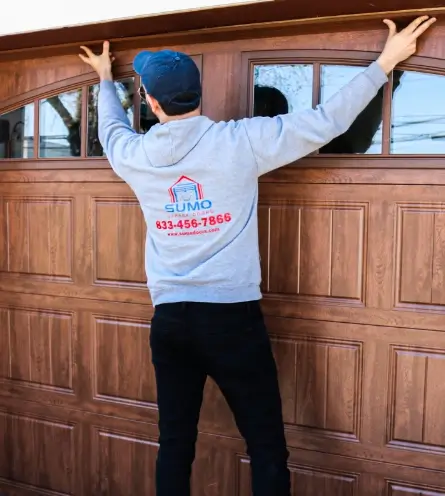
How to Choose The Right Garage Door For Your Home or Business
Not sure which garage door is the best choice for your home or business? Getting the right door involves many variables. Material, insulation, type, size, construction, and local code requirements all factor into the decision. Getting any one of them wrong affects long-term performance.
At Sumo Garage Doors, we work with homeowners and businesses every day to help them choose the right door for their specific needs.
Get a Free Quote
- SUMO GARAGE DOORS
Start With the Purpose: Are You Looking for a Residential or Commercial Garage Door?
The single most important question in garage door selection is whether the door is for residential or commercial use.
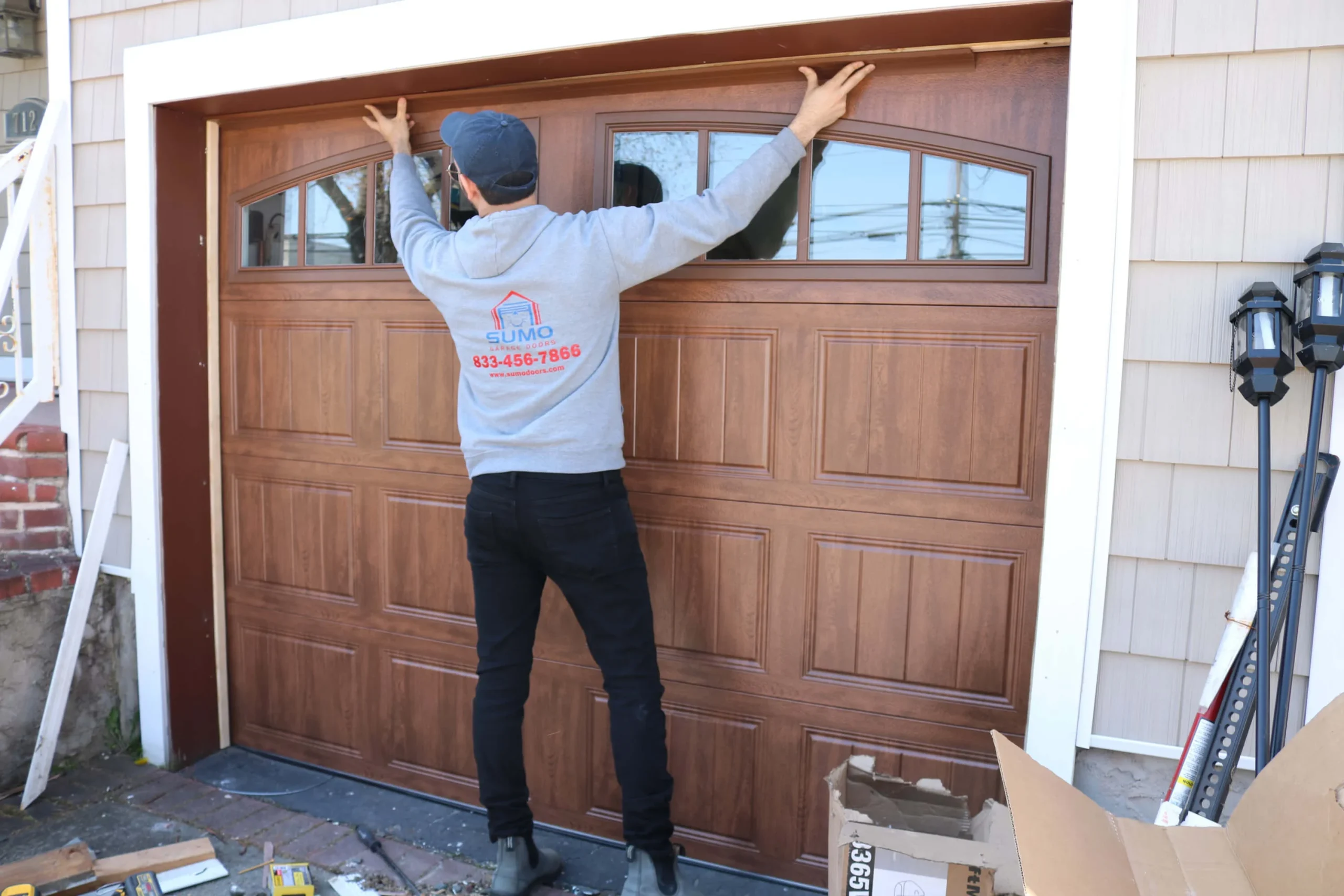
Residential Garage Doors
Residential doors are designed around standard home construction, typical vehicle sizes, and moderate daily usage. Standard residential garage door springs are typically rated for 10,000 cycles, which translates to roughly seven to ten years of average use before spring replacement becomes likely.
In recent years, taller doors in the 8 to 10-foot height range have grown in popularity, driven largely by the increase in larger SUVs, pickup trucks, and roof-mounted cargo carriers. If you drive a full-size truck or a vehicle with roof racks, a standard 7-foot door may create clearance issues that a taller door resolves.
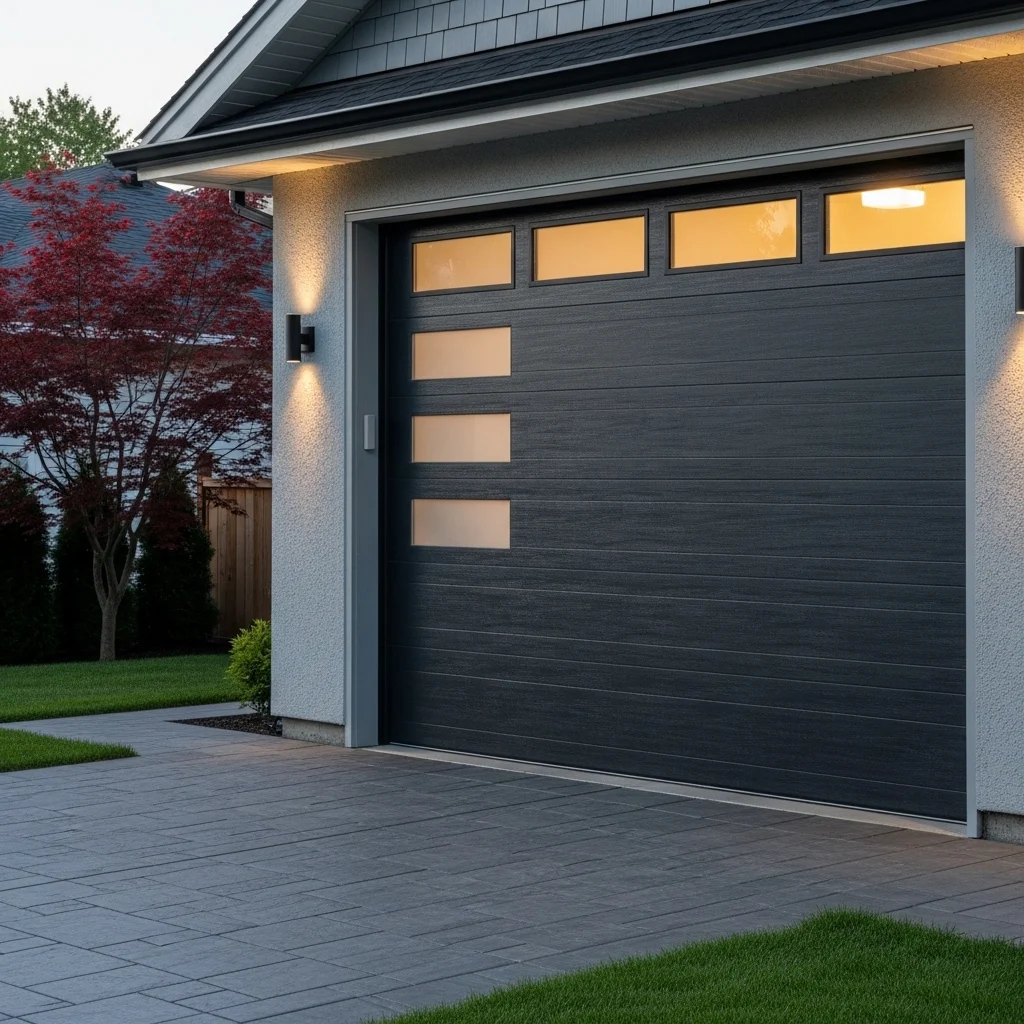
Commercial Garage Doors
Commercial and industrial doors are built for heavier use, where the door operates far more frequently than in a typical home. A loading dock door at a distribution facility might cycle 20 to 30 times per day, which means standard residential hardware would fail within months.
If you are outfitting a commercial space, the size of your largest vehicle or piece of equipment sets the baseline for your door dimensions. A door that is even a few inches too narrow creates daily operational friction and, in high-traffic facilities, becomes a genuine safety concern.
- SUMO GARAGE DOORS
Choose the Right Garage Door Material for Your Needs
- SUMO GARAGE DOORS
The Standards Behind
Every Door We Touch
What 25 Years of Doing It Right Looks Like






- SUMO GARAGE DOORS
What is R-Value and Why It Matters When Choosing a Garage Door
A garage door is one of the largest openings in your home, and without adequate insulation, it becomes a significant source of heat loss in winter and heat gain in summer. R-value measures how well the door resists that thermal transfer. The higher the number, the better the insulation.
How much you actually need depends on how the garage is used. As a general reference, R-6 to R-9 suits standard attached garages, R-10 to R-13 works well for garages adjacent to living space, and R-14 and above is worth considering when the garage shares a wall or ceiling with a bedroom or regularly used room.
A well-insulated garage door can reduce heat loss through the door by up to 70 percent compared to an uninsulated one.
- SUMO GARAGE DOORS
The Practical Side of Choosing a Garage Door Color
Color selection is where many buyers spend the most time, but it is actually fairly straightforward.
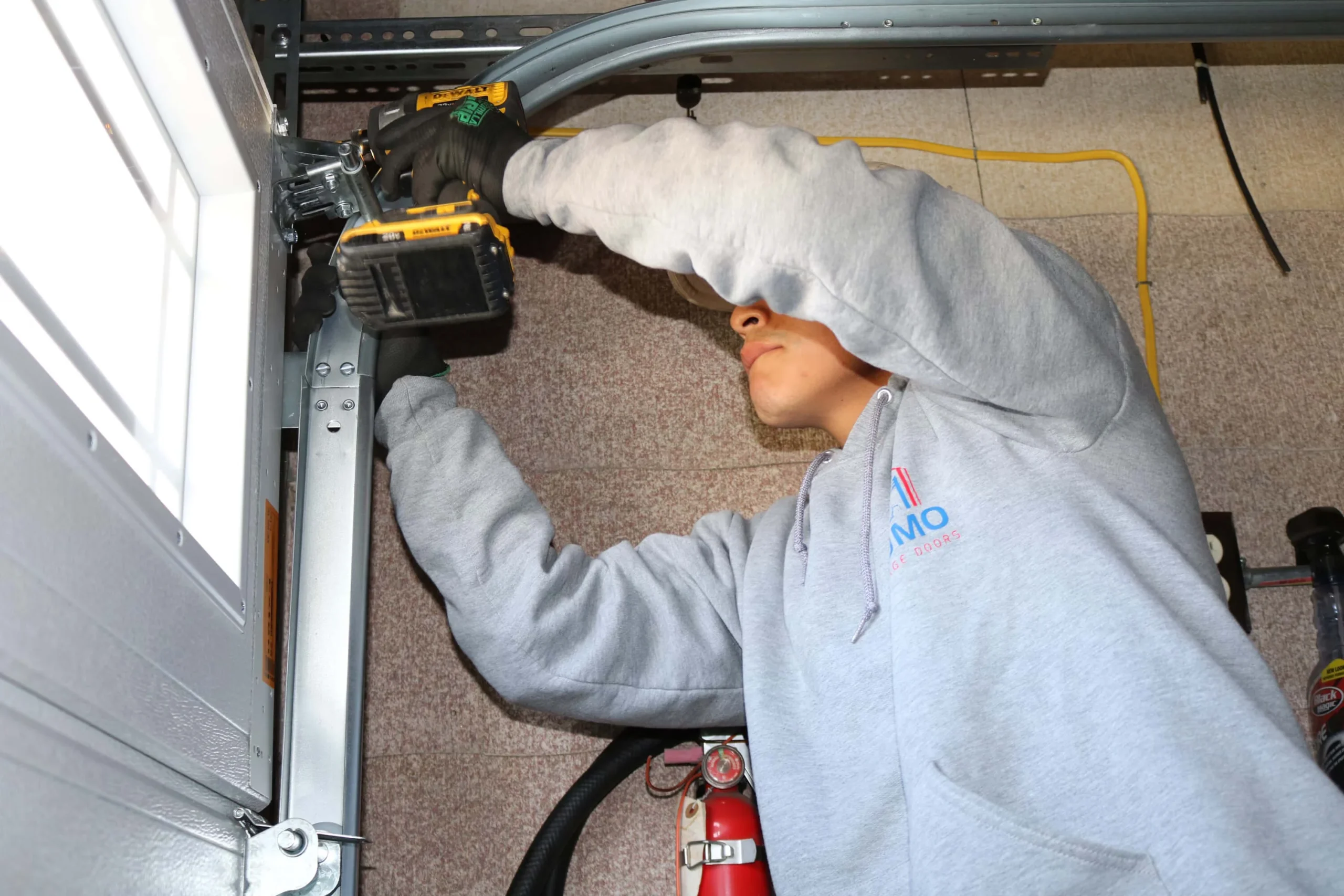
The most reliable approach is to match or complement the trim color of the home. White, off-white, and light gray doors work with a wide range of exterior palettes and remain neutral enough to avoid dating the home as color trends shift.
Darker colors have become increasingly popular, particularly with contemporary and craftsman-style homes. They add visual weight and definition to the facade, particularly when combined with bold trim or modern hardware.
Wood-grain finishes on steel or composite doors offer a middle path for buyers who want the warmth of wood without the maintenance. Quality has improved considerably in recent years, and the better options are convincing from a normal viewing distance.
- SUMO GARAGE DOORS
We Repair Garage Door From All Brands
Many brands make garage doors, and each system may have unique components or designs. Our professionals are qualified to repair garage doors from a variety of manufacturers. We carry the tools and replacement parts required to carry out most repairs quickly. We deliver quality repairs regardless of the brand you have.
Common garage door brands include:












Got a garage door from a certain brand that needs to be repaired? Call us today for experienced garage door service and repair!
- SUMO GARAGE DOORS
The Difference Between Single, Double, and Triple Layer Garage Doors
Ever wondered about the different levels of insulation for garage doors? It’s not a topic that often comes up in casual conversation, but it can make a big difference in the comfort of your garage and even inside your home.
There are generally three main levels of insulation for garage doors: single-layer, double-layer, and triple-layer. Depending on your climate and garage usage, updating your garage door insulation may be a good investment.
Single-layer garage doors are the most basic and provide very little insulation, but double-layer garage doors include a layer of insulation between the outer and inner layers. Triple-layer garage doors are the best insulated option, with an extra layer of insulation added to the interior.
- SUMO GARAGE DOORS
Local Codes and Permit Requirements on Long Island
Garage door work in Nassau and Suffolk County is subject to local building codes that vary by municipality. Replacing a like-for-like door typically does not require a permit, but modifying the opening, changing the framing, or installing a door in a new opening almost always does.
New York State energy codes may require garage doors to meet minimum insulation standards on certain projects. This typically applies to garages connected to the home and included in new construction or a significant renovation.
Commercial installations have additional requirements, including wind load ratings, fire rating standards, and ADA compliance considerations. Installing without the required permit can create complications and may require the work to be redone.
- SUMO GARAGE DOORS
How We Help Long Island Homeowners and Businesses Choose the Right Door
At Sumo Garage Doors, we help you work through every one of these factors before a single order is placed. We serve homeowners and businesses across Long Island, Nassau County, Suffolk County, and the broader Tri-State area.
From helping you choose the right door to professional installation by our in-house certified technicians, same-day repair services, opener upgrades, and ongoing maintenance, we handle every part of the process under one roof.

We do not use subcontractors, and we do not consider the job done until you are satisfied with everything.
- SUMO GARAGE DOORS
What Type of Garage Door Is Right for Your Property
The type of garage door you choose affects how it operates, how much space it requires, and how well it suits your property.
- TESTIMONIALS
Love & Respect Earned Through Consistent Quality
- SUMO GARAGE DOORS
Frequently Asked Questions (FAQs)
How long does a garage door typically last?
A well-maintained garage door lasts between 15 and 30 years, depending on the material, usage, and climate. Components like springs and openers typically need replacement sooner, usually every 7 to 10 years, depending on cycle count.
What is the difference between polyurethane and polystyrene insulation?
Polyurethane is injected as a foam and expands to fill every cavity inside the door, bonding fully to both steel skins. Polystyrene is inserted as a rigid board. Polyurethane achieves roughly double the insulation value at the same thickness and adds more structural strength to the door.
How do I know what size garage door I need?
Most single-car openings have an 8 to 10-foot-wide door, and most double-car openings take a 16-foot-wide door. Standard height is 7 or 8 feet, though taller doors are worth considering if you drive a full-size truck or have roof-mounted equipment.