
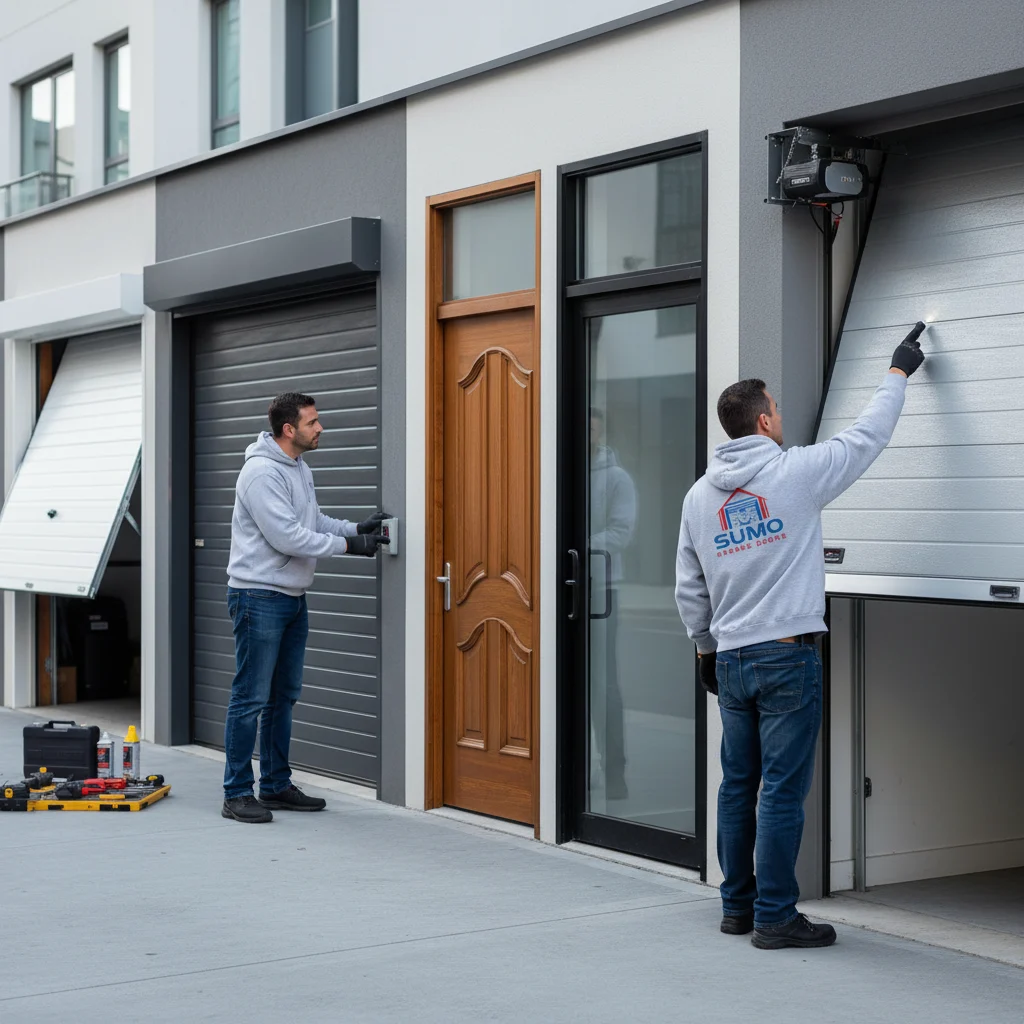
A garage door that refuses to close can quickly become frustrating. Whether you are leaving for work, coming home after a long day, or trying to secure your property at night, a garage door that stays open creates both inconvenience and security concerns.
Before scheduling a professional garage door repair service, there are several common issues you can check yourself. Many garage door problems have simple causes that homeowners can identify in just a few minutes.
In this guide, we will walk through seven important things to check when your garage door will not close properly.
Is Something Blocking the Safety Sensors?
One of the most common reasons a garage door will not close is a problem with the safety sensors.
Modern garage doors use photo eye sensors located near the bottom of the door tracks. These sensors send an invisible beam across the opening. If something interrupts the beam, the system prevents the door from closing.
Check both sides of the garage door opening and look for:
- Boxes
- Tools
- Toys
- Leaves
- Dirt buildup
- Pet items
Even a small object can trigger the safety system.
You can learn more about garage door safety sensor requirements through the Door and Access Systems Manufacturers Association.
Are the Garage Door Sensors Dirty or Misaligned?
Even when nothing blocks the sensors, dirt and alignment issues can cause problems.
Dust, spider webs, and debris often collect on the sensor lenses. When this happens, the sensors may not communicate properly.
Take a soft cloth and gently clean both sensor lenses.
Next, check if the sensors face each other directly. Most sensor units have a small indicator light. If one light blinks or turns off, the sensors may need adjustment.
Properly aligned sensors are essential for smooth operation and can often prevent an unnecessary garage door repair appointment.
Did You Accidentally Lock the Garage Door?
Many homeowners overlook this simple issue.
Some garage doors include a manual lock system. If someone accidentally engages the lock, the opener may try to close the door but fail to move it properly.
Inspect the inside of the garage door for locking bars or handles. Make sure the lock is fully disengaged before testing the door again.
This issue commonly occurs after maintenance work or when family members manually operate the door.
Is There a Problem with the Garage Door Tracks?
Garage door tracks guide the rollers as the door moves up and down. If the tracks become damaged or obstructed, the door may stop before closing completely.
Check the tracks for:
- Dirt buildup
- Small objects
- Bent sections
- Loose hardware
- Visible damage
Avoid forcing the door if the tracks appear bent. Doing so can create additional damage and increase repair costs.
If the tracks look severely damaged, professional garage door repair is usually the safest option.
Also Read: Garage Door Maintenance: Tips and Tricks Every Homeowner Should Know
Is the Remote Control or Wall Button Working Correctly?
Sometimes the issue is not the garage door itself.
If the door does not respond properly, check your remote control and wall mounted opener button.
Start by replacing the remote batteries. Weak batteries often cause inconsistent operation.
If the wall button works but the remote does not, the remote may need reprogramming.
Most manufacturers provide programming instructions on their official websites. You can also find helpful resources through LiftMaster and Chamberlain.
Testing both controls can help identify whether the problem comes from the opener system or the door itself.
Are the Garage Door Opener Settings Incorrect?
Garage door openers use travel and force settings to determine how far the door should move and how much resistance it should allow.
If these settings become incorrect, the opener may think the door has reached an obstruction even when nothing blocks it.
Common signs include:
- The door starts closing then reverses
- The door stops halfway
- The door closes partially then opens again
Many opener units include adjustment controls. However, making incorrect adjustments can create additional problems.
If you are unsure, it is best to contact a trained technician rather than experimenting with the settings.
Could a Broken Spring or Cable Be Preventing the Door from Closing?
Garage door springs and cables handle much of the door’s weight. When one of these components fails, the door may not operate correctly.
Signs of a spring or cable issue include:
- Loud snapping sounds
- Uneven door movement
- Crooked door position
- Heavy manual operation
- Visible gaps in the spring
This is one repair homeowners should never attempt on their own. Garage door springs remain under significant tension and can cause serious injury.
If you suspect a spring or cable problem, stop using the door and schedule professional garage door repair immediately.
When Should You Call a Garage Door Repair Professional?
While some issues are easy to identify, others require specialized tools and experience.
You should contact a professional if:
- The door remains stuck after basic troubleshooting
- Springs or cables appear damaged
- The tracks are bent
- The opener motor makes unusual sounds
- The door repeatedly reverses
- Safety sensors continue malfunctioning
Professional technicians can diagnose the root cause quickly and prevent further damage to your garage door system.
How Can You Prevent Future Garage Door Problems?
Regular maintenance helps reduce unexpected breakdowns.
Simple preventive steps include:
- Keeping tracks clean
- Cleaning safety sensors regularly
- Inspecting hardware every few months
- Lubricating moving parts as recommended
- Testing the door balance periodically
- Scheduling annual inspections
Routine care extends the life of your garage door and reduces the need for emergency repairs.
Need Professional Help with Your Garage Door?
If your garage door still will not close after checking these common issues, Sumo Doors is here to help. Our team provides reliable garage door repair services for homeowners who need fast, safe, and effective solutions. Whether you are dealing with sensor problems, damaged tracks, broken springs, opener issues, or general garage door repair needs, Sumo Doors offers professional service you can trust.
Contact Sumo Doors today to schedule an inspection and get your garage door working properly again.

