
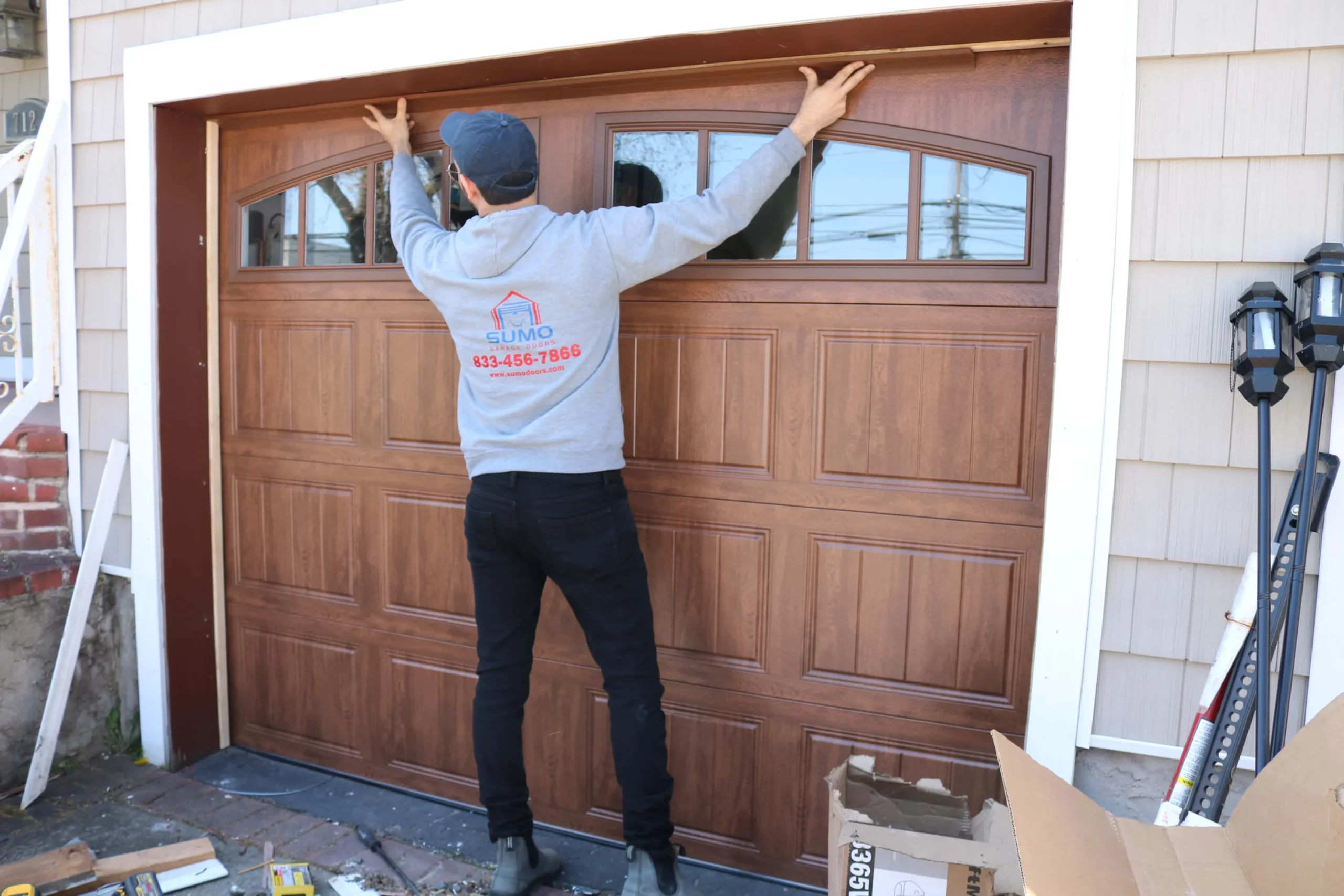
A new garage door changes how your home looks, feels, and performs every single day. Learning how to choose a garage door comes down to a few key decisions, including the style that suits your home, a material that fits your needs, and the right insulation level. You will also need an accurate size, protection against local weather, and an opener that works well with the door.
The garage door often covers a large share of your home’s front exterior, so it shapes first impressions more than most homeowners expect. It is also one of the most used parts of the house, opening and closing several times a day in every season. A careful choice protects your comfort, your security, and your home’s value for years to come.
With so many styles, materials, and features available today, the options can feel overwhelming at first. Each choice affects how the door looks, how much maintenance it needs, and how well it handles daily use and changing weather. Taking time to compare these details upfront helps you avoid costly mistakes and invest in a door that suits your home for decades.
Why Your Garage Door Choice Matters
A garage door is more than a cover for your car. It affects how your home looks from the street, how comfortable the attached rooms feel, and how well your property is protected.
The right door supports your home in several ways:
- Stronger curb appeal
- Higher resale value
- Better home security
- Improved energy efficiency
- Smooth, dependable daily use
Resale value is where a new door stands out most. The 2025 Cost vs. Value Report found that a garage door replacement in the New York market recoups about 323% of its cost at resale, well above the 268% national average.
8 Steps to Choose the Right Garage Door for Your Home
Breaking the decision into clear steps is the easiest way to learn how to choose a garage door that fits your home. The following are the eight steps homeowners should follow, from style to budget.
- Match the Door Style to Your Home’s Architecture
Your garage door should look like it belongs with the rest of your house. Start by considering your home’s architecture, rooflines, and existing exterior details. These are the most popular garage door styles:
- Traditional Raised Panel: A timeless choice that suits colonials, ranches, and many classic Long Island homes.
- Carriage House: Designed to look like swing-out barn doors, adding warmth and character to craftsman and farmhouse styles.
- Modern Flush Panel: Smooth, clean panels that fit contemporary and minimalist homes.
- Full-View Glass: Aluminum frames with large glass panels for a bright, modern look.
A door that matches your home’s architecture adds instant curb appeal. A mismatched style can make even a new door look out of place.
- Choose a Material That Fits Your Needs
The material you choose affects how long the door lasts, how much upkeep it needs, and how well it holds heat. Each option has its own strengths, so it helps to compare them against your home’s style and your local climate. These are the most common garage door materials:
- Steel: Strong, affordable, and low maintenance, steel suits most homes and budgets. Thicker gauges resist dents better, and insulated steel doors offer good energy efficiency.
- Wood: Wood brings natural warmth and character that suits historic and upscale homes. It needs regular staining or painting to protect it from moisture and sun damage.
- Aluminum: Lightweight and rust-resistant, aluminum works well for modern designs. It can dent more easily than steel and offers little insulation unless paired with an insulated core.
- Fiberglass: Fiberglass resists moisture and corrosion, making it a strong fit for coastal homes. It can mimic the look of wood without the same level of upkeep.
- Composite: Made from engineered materials, composite doors offer a realistic wood appearance with high durability. They resist rot, cracking, and warping better than natural wood.
- Full-View Glass: Glass panels set in aluminum frames create a bright, contemporary look. These doors need regular cleaning and provide less insulation than solid panel options.
Steel remains the most practical choice for many homeowners because it balances strength, price, and low maintenance. Homes near the water often benefit from fiberglass, composite, or well-coated steel that holds up better to salt air.
- Decide How Much Insulation You Need
Insulation is measured by R-value, and a higher number means better resistance to heat and cold. The right level depends on how you use the garage and how it connects to your home.
An insulated door matters most when the garage shares walls with your living space, since cold air in the garage can pull heat from the rooms next to it. That loss adds up quickly when fuel prices rise, and the U.S. Energy Information Administration expects households that heat with oil to pay about 21% more for fuel this winter.
Here is a simple guide by garage type:
- Detached garages: R-value of 0 to 6
- Attached garages: R-value of 7 to 9
- Heated garages: R-value of 10 to 13
- Living space above the garage: R-value of 14 or higher
Matching the R-value to how you use the space keeps you from paying for insulation you do not need. It also keeps the rooms next to the garage more comfortable through every season.
- Measure the Opening for the Correct Size
A garage door must fit the opening precisely to seal well and operate safely. Measure the width and height of the opening, along with the headroom above it and the side room on each wall. Common sizes include 8 or 9 feet wide by 7 feet tall for single doors and 16 feet wide by 7 feet tall for double doors.
Older Long Island homes sometimes have nonstandard openings that need a custom-sized door. A professional measurement prevents costly ordering mistakes and helps confirm there is enough room for the tracks, springs, and opener.
- Plan for Long Island Weather and Wind
Wind is one of the biggest threats to a garage door, since its large surface catches gusts like a sail. During the October 2025 nor’easter, New York declared a state of emergency for Long Island as gusts reached up to 60 mph in Montauk. A door with reinforced panels and sturdy struts is far less likely to bend or slip off its tracks in conditions like these.
Salt air brings a slower but steady risk, gradually corroding springs, hinges, and tracks. Corrosion-resistant hardware helps the door keep working smoothly year after year. Some coastal areas may also have local code requirements for wind-rated doors, so ask your installer what applies to your location.
- Select Windows, Colors, and Hardware
The finishing details bring your door’s style together. Small choices can make a big difference in how the door looks from the street. When finalizing the design, consider these details:
- Window inserts for natural light
- Frosted or tinted glass for privacy
- Colors that complement your trim and siding
- Decorative handles and hinges
- Wood-grain textures or smooth finishes
Choose colors and accents that work with your home’s existing palette rather than competing with it. Well-chosen details give the door a finished, custom look without a custom price.
- Pair the Door With the Right Opener and Smart Features
The opener controls how smoothly and quietly your door operates, so it should match the door’s size and weight. Belt drive openers run quietly, which makes them a good fit for homes with bedrooms above the garage. Chain drive openers are durable and budget-friendly, while wall-mounted openers free up ceiling space.
Smart features add convenience and security. Wi-Fi openers let you open, close, and monitor the door from your phone, and many models include rolling-code security, battery backup, and motion-activated lighting. You can explore our garage door opener installation options that work with your new door.
- Set Your Budget and Compare Warranties
A clear budget helps you focus on doors that meet your needs without overspending. Prices vary with material, size, insulation, and features, so compare complete quotes rather than the door price alone. A detailed quote should include:
- The door and its material
- Insulation level and R-value
- Hardware and weather seals
- Opener and smart features
- Removal of the old door
- Installation labor and warranty
Comparing warranties is just as important as comparing prices. A strong warranty on both parts and workmanship protects your investment long after installation.
Stand at the curb and look at your home for a moment. Does your garage door add to the front of the house, or does it pull attention for the wrong reasons? Our team at Sumo Garage Doors offers free in-home assessments across Long Island to help you compare styles, materials, and insulation options in person.
Common Mistakes to Avoid When Choosing a Garage Door
Even careful homeowners can make choices they later regret. Avoid these common mistakes when shopping for a new door:
- Choosing a door based on price alone
- Picking the wrong R-value for how the garage is used
- Ignoring salt air and coastal wind exposure
- Measuring the opening incorrectly
- Overlooking opener compatibility
- Installing or adjusting springs yourself
Each of these mistakes can lead to higher costs, early wear, or safety risks. A little planning before you buy helps you avoid them entirely.
Why Professional Installation Matters for a New Garage Door
Even the best door will underperform if it is not installed correctly. A garage door is a heavy, moving system with springs under extreme tension, so small errors during installation can lead to uneven movement, early wear, or serious safety risks.
A professional installation takes care of the details that keep your door working properly:
- Accurate Fit and Balance: The door is leveled and balanced so it opens and closes evenly without straining the opener.
- Safe Spring Setup: Trained technicians install and adjust torsion or extension springs with the right tools, avoiding the dangers of DIY spring work.
- Tight Weather Sealing: Proper seals keep out drafts, rain, and pests while helping the door hold its insulation value.
- Opener and Sensor Calibration: Safety sensors and opener settings are tested so the door stops and reverses correctly.
- Warranty Protection: A professional installation helps protect both the product warranty and the workmanship warranty, so you have support if an issue comes up later.
At Sumo Garage Doors, we help homeowners decide how to choose a garage door during a free in-home assessment, then provide a written estimate before any work begins. Our licensed team serves Nassau County (#180402) and Suffolk County (HI-73427), installs doors from trusted garage door brands such as Clopay, Amarr, and CHI, and tests every door and walks you through it before leaving. From the first measurement to the final safety test, our garage door installation process is designed to get your new door working smoothly in as little as one visit.
FAQs
How long does a garage door usually last?
Most garage doors last 15 to 30 years, depending on the material, how often the door is used, and how well it is maintained. Yearly tune-ups and prompt repairs help any door reach the upper end of that range.
What is the best garage door material for coastal homes?
Fiberglass, aluminum, and well-coated insulated steel perform best near the coast because they resist moisture and corrosion. Pair any door with stainless or galvanized hardware to protect springs, hinges, and tracks from salt air damage.
What R-value do I need for an attached garage?
For most attached garages, a door with an R-value between 7 and 9 offers a good balance of comfort and cost. Heated garages or rooms above the garage benefit from higher ratings of 10 or more.
Should my garage door match my front door?
Your garage door and front door do not need to match exactly, but they should complement each other. Coordinating colors, materials, or hardware finishes creates a balanced look and makes your home’s exterior feel more polished.
How long does garage door installation take?
Most professional garage door installations take half a day to a full day. The timeline depends on removing the old door, the size and style of the new one, and adding an opener or smart features.
The Bottom Line
Learning how to choose a garage door is easier when you take it one step at a time. Start with a style that suits your home and a material that fits your needs, then match the insulation to how you use the garage. Measure carefully, plan for coastal weather, and pair the door with the right opener and finishing details. Comparing complete quotes and warranties helps you invest in a door that looks great and performs reliably for decades.
Your garage door should feel like it was made for your home, and that starts with the right guidance. Sumo Garage Doors helps Long Island and Queens homeowners find doors that suit their style, budget, and coastal conditions, then installs them with precision and care. As a BBB A+ rated company and Angi Super Service Award winner, we back every installation with a 100% warranty and offer 24/7 support whenever you need it.
Get expert advice before you buy. Schedule a free in-home consultation with Sumo Garage Doors at (833) 456-7866.

