
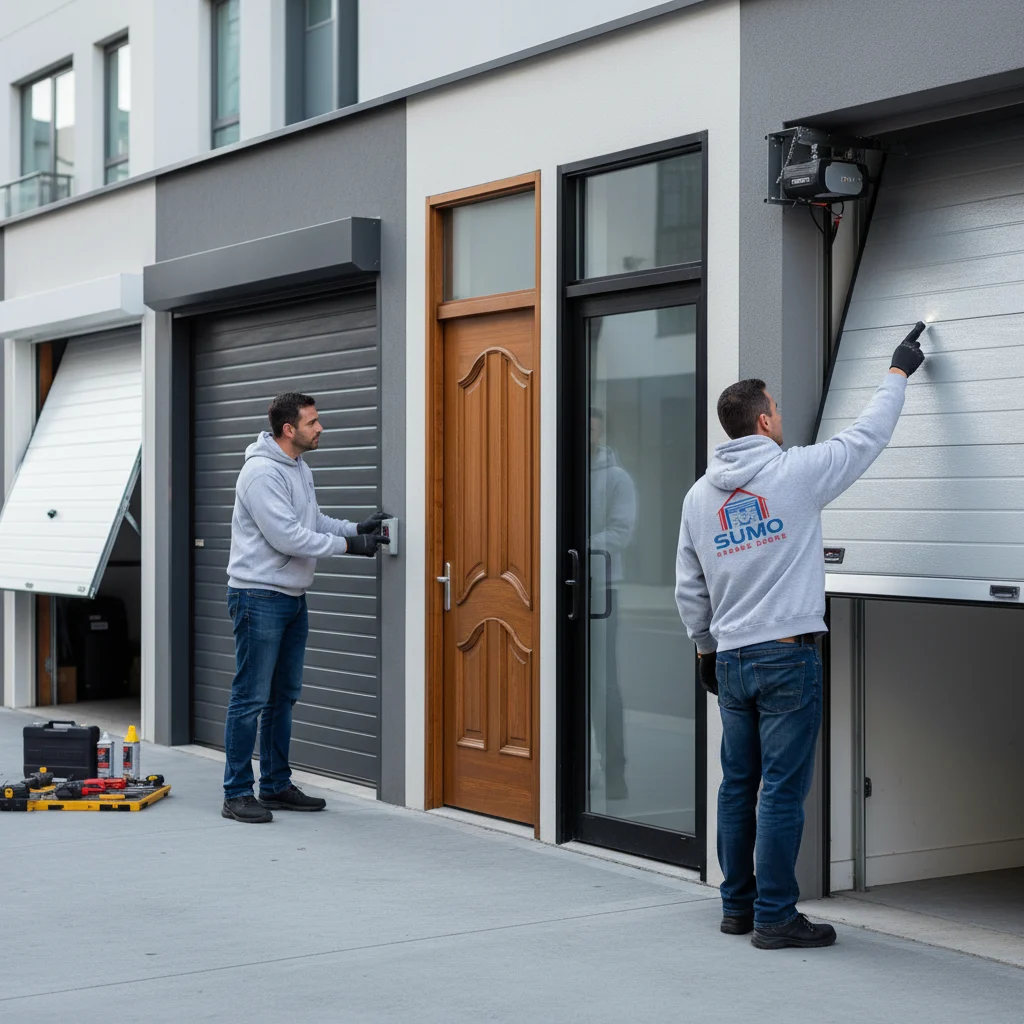
Steel and aluminum are two of the most popular garage door materials, but they serve different needs. In the steel vs aluminum garage door comparison, steel is the stronger, better-insulated, and more affordable choice for most homes. On the other hand, aluminum is lighter, naturally resists rust, and works well for coastal homes and modern designs with large glass panels.
The right choice depends on your climate, your home’s style, and how you use your garage every day. A door that faces salty coastal air, heavy daily traffic, or cold winters needs different strengths than one on a quiet modern home. Comparing how each material handles strength, insulation, weather, and upkeep helps you choose a door that looks good and performs well for years.
Key Differences Between Steel and Aluminum Garage Doors
Steel and aluminum doors differ in how they are built, how they handle weather, and how much care they need. The following comparisons show how each material performs in the areas homeowners care about most.
Strength and Durability
Steel doors are made from galvanized steel sheets, and their strength depends on gauge and layers. A lower gauge number means thicker steel, so a 24-gauge door is stronger than a 27-gauge door. Double-layer and triple-layer designs add even more rigidity.
Aluminum is a softer metal, so it dents more easily when hit by a ball, bike, or car bumper. Aluminum doors rely on a sturdy frame for strength, while the panels between the frame are usually glass or thin aluminum.
Weight and Daily Operation
Weight affects how a door moves and how much work the opener does each day. Steel doors are heavier, especially insulated models, so they need properly sized springs and a strong opener.
Aluminum doors are much lighter, which puts less strain on springs, cables, and the opener over time. They are also easier to lift by hand when the power goes out.
Insulation and Energy Efficiency
Steel doors can hold a layer of polystyrene or polyurethane insulation between steel skins. Polyurethane fills the space completely and usually offers better insulation, which helps keep attached garages and nearby rooms more comfortable.
Aluminum doors with large glass panels allow more heat to pass through. Insulated glass and solid insulated panels improve their performance, but they rarely match a well-insulated steel door in cold weather.
Rust and Weather Resistance
Weather affects each material in a different way. These differences matter most in wet, humid, and coastal areas.
- Steel: Protected by a zinc coating and paint, but it can rust where the finish is scratched or chipped.
- Aluminum: Forms a natural protective layer, so it does not rust like steel, even in damp conditions.
- Finishes: Aluminum often comes with anodized or powder-coated finishes, while steel uses baked-on paint.
A well-maintained steel door can handle most climates, while aluminum needs less attention in salty or humid air. Storm strength also matters for coastal homes. NOAA reported that the 2025 Atlantic hurricane season produced four major hurricanes with winds of 111 mph or greater, which is why reinforced, wind-rated doors make sense in storm-prone areas.
Style and Design Options
Steel doors come in a wide range of styles, from traditional raised panels to carriage house and wood-look designs. Many can be painted or ordered in factory colors to match the home’s exterior.
Aluminum doors are best known for their clean, modern look. Full-view designs with glass panels suit contemporary homes, and frosted or tinted glass adds privacy while keeping the garage bright.
Pros and Cons of Steel Garage Doors
Steel is the most widely used garage door material, and its popularity comes from a strong balance of value and durability. The pros and cons below show where steel performs best and where it falls short.
Pros of Steel Garage Doors
Steel offers several advantages that make it a smart choice for many homes.
- Strength: Thick steel panels stand up well to daily use and accidental bumps.
- Dent Resistance: Heavier gauges and multi-layer designs resist dents better than aluminum.
- Insulation: Double-layer and triple-layer doors hold indoor temperatures and reduce noise.
- Value: Steel is usually the most affordable garage door material upfront.
- Style Options: Steel comes in many colors, panel designs, and wood-look finishes.
Those advantages explain why steel continues to lead the market. In 2025, steel made up 62.35% of the garage and overhead doors market, largely because it balances cost, strength, and wind resistance so well. For most homeowners, that same balance is what makes steel a dependable everyday choice.
Cons of Steel Garage Doors
Steel has a few drawbacks worth considering before you buy. These limitations show up most often in certain homes and climates.
- Heavier Weight: Steel doors weigh more than aluminum doors, especially insulated models with multiple layers.
- Rust Risk: Scratches or chips in the coating can expose the steel underneath and lead to rust over time.
- Stronger Hardware Needed: The extra weight requires properly sized springs and a capable opener to operate safely.
- Harder Manual Lifting: Lifting a heavy steel door by hand during a power outage takes more effort.
Most of these issues can be managed with proper installation and routine care. Touching up scratches quickly and keeping hardware in good shape helps a steel door last for many years.
Pros and Cons of Aluminum Garage Doors
Aluminum doors bring a lighter, more modern option to the garage. The following pros and cons show where aluminum stands out and where it may not be the best fit.
Pros of Aluminum Garage Doors
Aluminum appeals to homeowners who want a clean look and low maintenance. Its biggest advantages include the following benefits.
- Rust Resistance: Aluminum forms a natural protective layer, so it does not rust like steel.
- Light Weight: The lighter build reduces strain on springs, cables, and the opener over time.
- Modern Design: Full-view glass panels give homes a sleek, contemporary look.
- Easy Manual Lifting: Opening the door by hand during a power outage takes less effort.
- Coastal and Humid Performance: Aluminum holds up well in damp air and near salt water.
These strengths make aluminum a popular choice for contemporary homes and waterfront properties. Large glass panels also brighten garages used as workshops or gyms.
Cons of Aluminum Garage Doors
Aluminum has trade-offs that matter in busy households and harsh weather. Keep these points in mind before choosing it.
- Dents More Easily: Aluminum is softer than steel, so balls, bikes, and car bumpers can leave marks.
- Less Insulation With Glass: Large glass panels lose more heat than insulated steel, although insulated glass helps.
- Privacy Concerns: Clear glass shows what is inside the garage, so frosted or tinted glass is often needed.
- Higher Upfront Price: Aluminum and glass doors usually cost more than basic steel models.
Many of these drawbacks can be reduced with insulated glass, obscure glass, or solid aluminum panels. The right configuration makes aluminum practical for more homes.
Steel vs Aluminum Garage Door: Which Is Better for Your Home?
The best material depends on how and where you use your garage. This steel vs aluminum garage door comparison makes the choice simple by matching each material to the homes it suits best.
When to Choose a Steel Garage Door
Steel is the practical choice for most homes, especially when durability and comfort come first. A steel door is likely the better fit if any of these sound familiar.
- Have kids, bikes, or sports gear around the garage
- Use the garage as a heated workshop or gym
- Live in an area with cold winters or strong winds
- Want a classic, carriage house, or wood-look style
- Need a reliable door at an affordable price
Steel’s strength and insulation make it a dependable everyday option. It also gives you the widest range of styles and colors to match your home.
When to Choose an Aluminum Garage Door
Aluminum works best when style and rust resistance matter most. It is likely the better fit for homes like these.
- Homes near the ocean, lakes, or humid areas
- Modern or contemporary home designs
- Garages that need more natural light
- Households that want a lighter door to lift by hand
Aluminum’s sleek look and resistance to moisture make it a strong match for these homes. Choosing insulated or frosted glass adds comfort and privacy.
Some homes need a mix of these qualities, such as a coastal home that also faces strong storms. In those cases, our team at Sumo Garage Doors can help you compare reinforced steel and aluminum options side by side, so call us at (833) 456-7866 and tell us how you use your garage.
FAQs
Is steel or aluminum better for a garage door?
Steel is better for most homes because it is stronger, more dent resistant, better insulated, and usually more affordable. Aluminum is a smart choice for coastal homes and modern designs that need rust resistance and a lighter door.
Do aluminum garage doors rust?
No, aluminum does not rust like steel because it forms a natural protective layer when exposed to air. This makes aluminum doors a strong fit for humid and coastal areas, though salt can still dull some finishes over time.
Which garage door material is more energy efficient?
Insulated steel doors are usually more energy efficient, especially triple-layer models with polyurethane insulation. Aluminum doors with large glass panels lose more heat, although insulated glass and solid insulated panels can improve their performance in colder months.
Are aluminum garage doors good for storms?
Aluminum doors are lighter and dent more easily, so they are not always the best choice in high-wind areas. Homes that face frequent storms often benefit from reinforced steel doors or models rated for local wind requirements.
Which lasts longer, steel or aluminum?
Both can last for decades with proper care. Steel resists dents and handles heavy use well, while aluminum resists rust. Lifespan depends on climate, maintenance, installation quality, and how often the door is used each day.
The Bottom Line
The steel vs aluminum garage door choice comes down to what your home needs most. Steel offers strength, insulation, and value, which makes it the practical pick for busy families, cold climates, and storm-prone areas. Aluminum brings rust resistance, light weight, and modern glass styling that suits coastal homes and contemporary designs. Matching the material to your climate and daily use gives you a door that performs well for years.
The right garage door should fit your home’s style and stand up to the way you live. Sumo Garage Doors installs steel and aluminum doors from leading brands like Clopay, Amarr, CHI, and Haas, along with LiftMaster and Genie openers built to match each door’s weight. Our licensed team serves homeowners across Nassau and Suffolk counties with expert guidance, careful installation, and 24/7 service when a door needs attention.
Find the garage door material that fits your home best. Call our team at Sumo Garage Doors for a free in-home consultation.

